





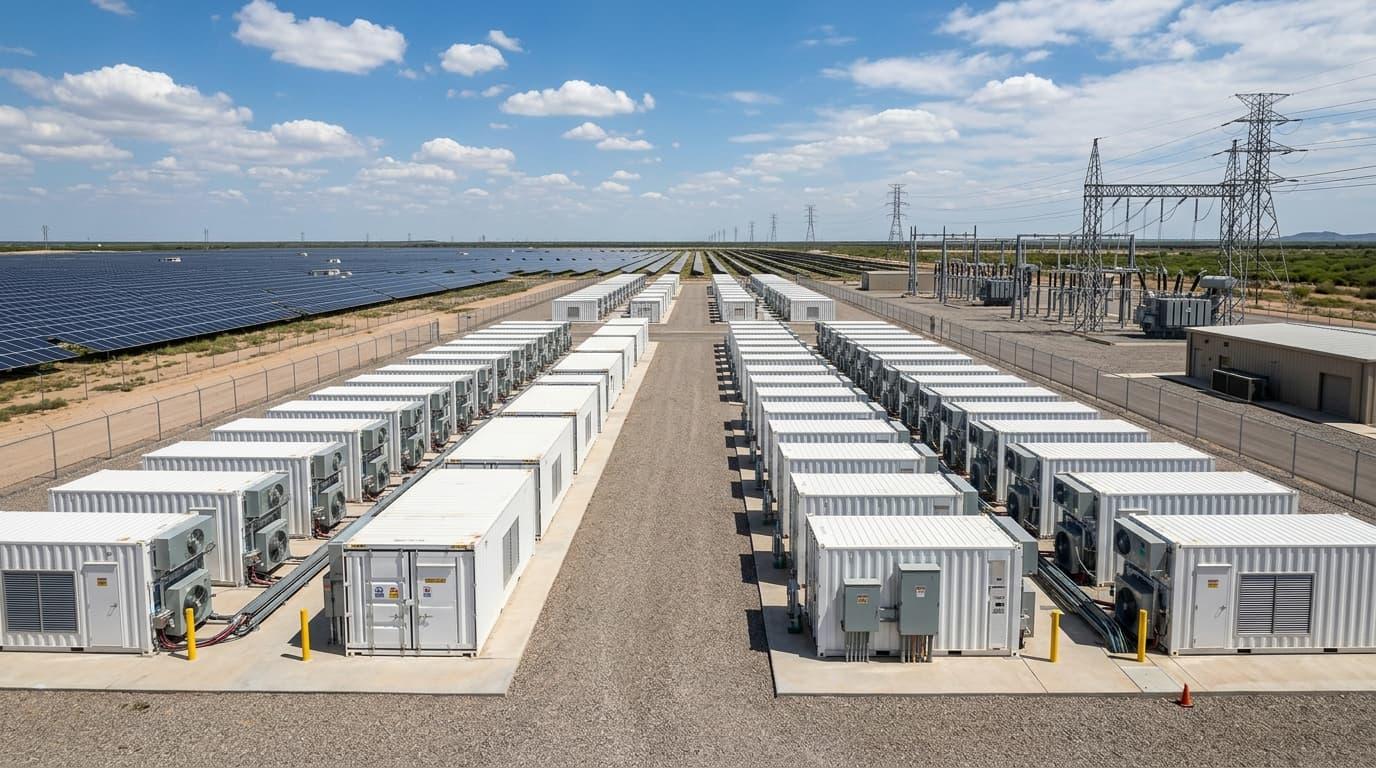
China’s domestic energy storage market contracted for the first time in H1 2026, with deployments dropping to 22 GW/59 GWh, while overseas orders surged 83%. For emerging markets like South Africa, this shift could usher in a period of cheaper battery energy storage system (BESS) technologies. South African independent power producers (IPPs) and commercial industrial (C&I) players now face a cheaper, deeper supply pool for battery storage.
Microgrid economics change
With Chinese manufacturers pushing exports, turnkey storage packages are becoming more affordable. For South Africa’s C&I sector, including mines, factories, and campuses, this means microgrids can be deployed at lower capex, improving payback periods and reducing reliance on Eskom’s grid. IPPs, too, can integrate storage into renewable projects more competitively, strengthening their bids in procurement rounds.
Strategic leverage
The opportunity is not just cost. South Africa can negotiate local assembly and integration requirements, ensuring that imported batteries still generate domestic value. For IPPs, cheaper storage improves project bankability. For corporates, it accelerates energy security strategies.
The bigger picture
While China’s slowdown at home has created a supply surplus, South Africa’s IPPs and C&I markets are well placed to absorb it. But the real story is whether policymakers will seize this moment to embed industrial safeguards. Without them, South Africa risks repeating the solar PV experience: rapid deployment but limited local capture of manufacturing rents.
Editor @ info@esgfrontiers.co.za