



The International Energy Agency has reversed its forecast for global coal demand, now projecting a 1.2% rise in 2026 to a record 8.94 billion tonnes. Earlier this year, the agency expected a decline.
The shift is driven by disruptions to LNG shipments through the Strait of Hormuz amid Middle East conflict, which pushed natural gas prices higher. Countries with spare coal-fired capacity have switched back to coal.
China’s demand is set to rise 1% to 5 billion tonnes, while India climbs 4.2% to 1.353 billion tonnes. Europe, Japan and South Korea have also recorded stronger-than-expected use.
The IEA says coal’s resilience reflects energy security concerns. When gas is costly or scarce, coal remains the fallback. If LNG flows normalise, demand could dip 0.4% in 2027.
For South Africa, the forecast highlights the tension between coal’s economic weight and tightening climate rules in export markets. Coal accounts for about 27% of mining revenue, according to reports by both DMPR and Minerals Council, surpassing gold and platinum group metals, and supplies the fuel for more than 70% of Eskom’s electricity generation.
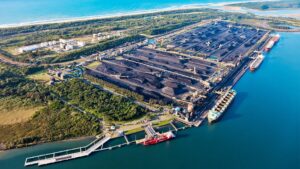
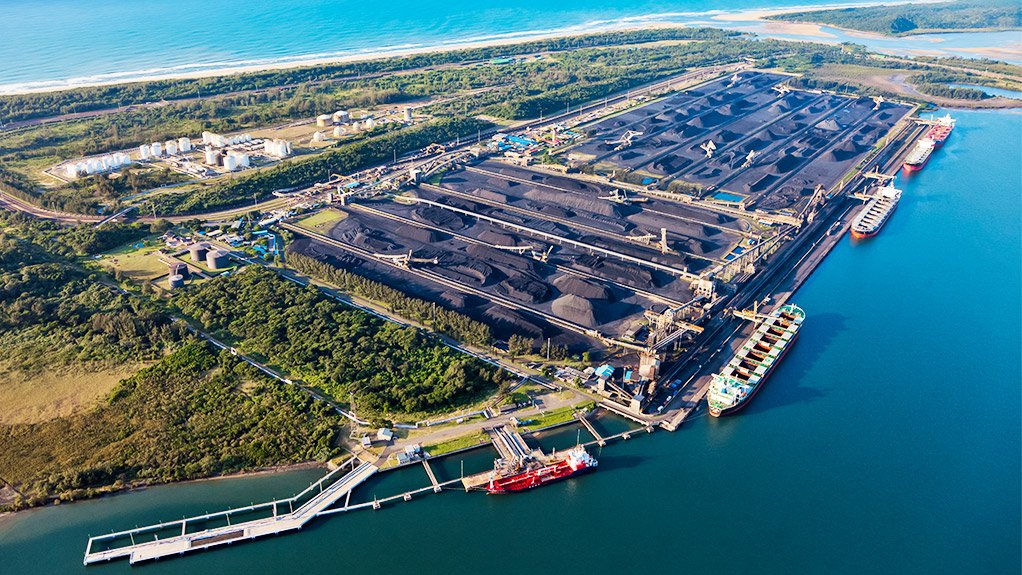
The country ships most of its coal through the Richards Bay Coal Terminal in KwaZulu-Natal, Africa’s largest such facility. It handles roughly 94% of South Africa’s seaborne coal exports, about 57.66 million tonnes, destined mainly for Asian markets including India. Transnet has set a throughput target of 65 million tonnes, according to RBCT figures dated 31 December 2025.
Editor: Info@esgfrontiers.co.za